 Lorevid
German: learning tips
German: articles on pronunciation, grammar and how to learn the language.
-
 Interesting facts
How German Developed
In this article, you will learn how the German language developed over thousands of years and what important steps happened along the way.
-
 Interesting facts
Swiss German vs. Standard German
In this article, you will learn how Standard German and Swiss German differ and what is special about the Swiss German language.
-
 Interesting facts
German and Dutch: A Language Family
German and Dutch are closely related languages. This article explains the similarities and differences in vocabulary, pronunciation, and grammar.
-
 Interesting facts
Language: Our Shared Identity and Its Diversity
Language is a key part of who we are and how we work together. This article explores the history of language, how it changes, and why having many languages is important.
-
 Interesting facts
German Dialects: Variety and History
In this article, you will learn what dialects are and why there are so many different German dialects. We will also explain how they developed and what role they play today.
-
 Explained in depth
Youth Language: Current Words from Young People
Here you will learn some words that young people often use in Germany. These words will help you better understand how young people use language.
-
 Explained in depth
Du or Sie: The Right Address in German
This article explains when to use "du" or "Sie" in German and how to choose the right form of address in different situations.
-
 Explained in depth
Avoid Common German Mistakes
This article explains eleven common mistakes German learners make and shows how to form them correctly.
-
 Explained in depth
Why Germans Speak Fast
Learn why German often sounds fast to learners and how you can improve your listening skills by understanding how native German speakers talk.
-
 Explained in depth
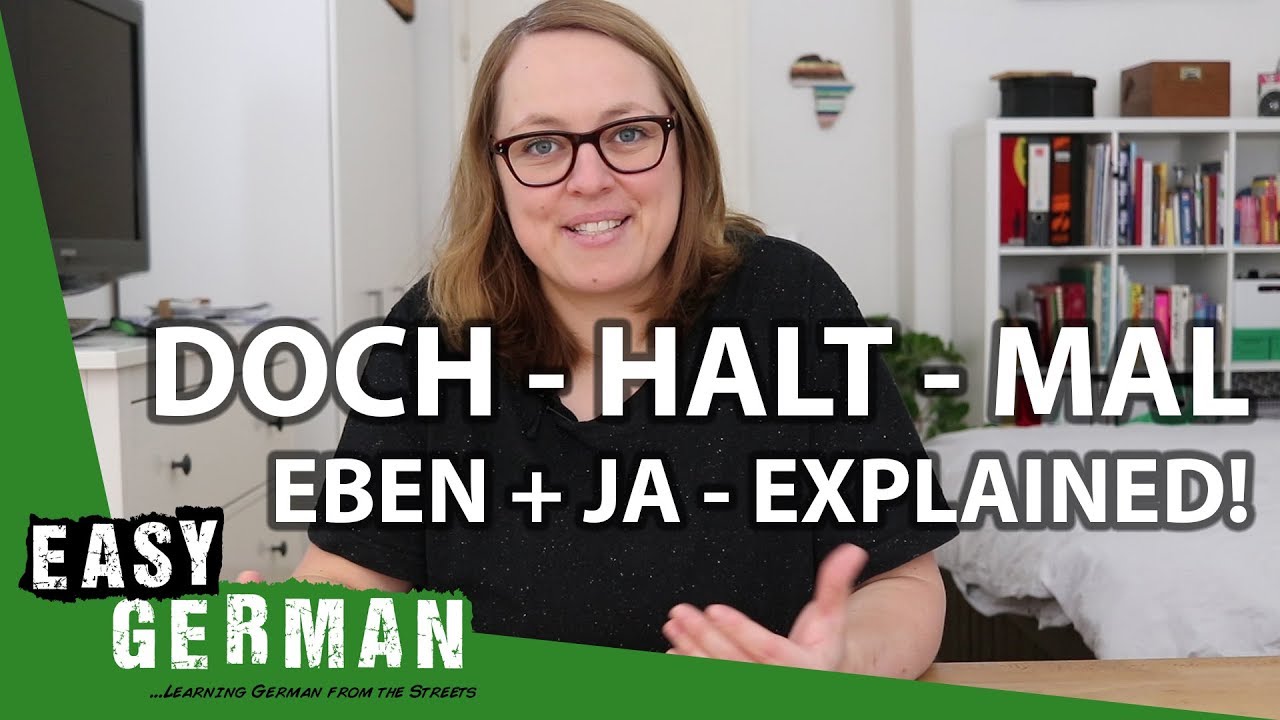
Using German modal particles: ja, doch, mal, halt, eben
In this article, you'll learn about five important modal particles that help you sound more natural in German. You'll discover when to use them and what feelings or attitudes they express.
-
 Grammar
Perfect and Simple Past: How to Use Past Tenses
This article explains when to use the perfect tense or the simple past tense in German. You will learn the differences and similarities between these two tenses.
-
 Grammar
German Sentence Structure: Main Clauses, Subordinate Clauses, and Questions
This article explains how to build German sentences. You will learn the rules for main clauses, subordinate clauses, and question sentences so you can use German word order correctly.
-
 Grammar
The Subjunctive II in German
Here you will learn what the Subjunctive II is and how to form it. We will also show you the different meanings it can express.
-
 Grammar
Der, die, das: Finding the Right Article
This article explains rules and tips to help you more easily find the correct article (der, die, or das) for German nouns. This will make you more confident using the German language.
-
 Grammar
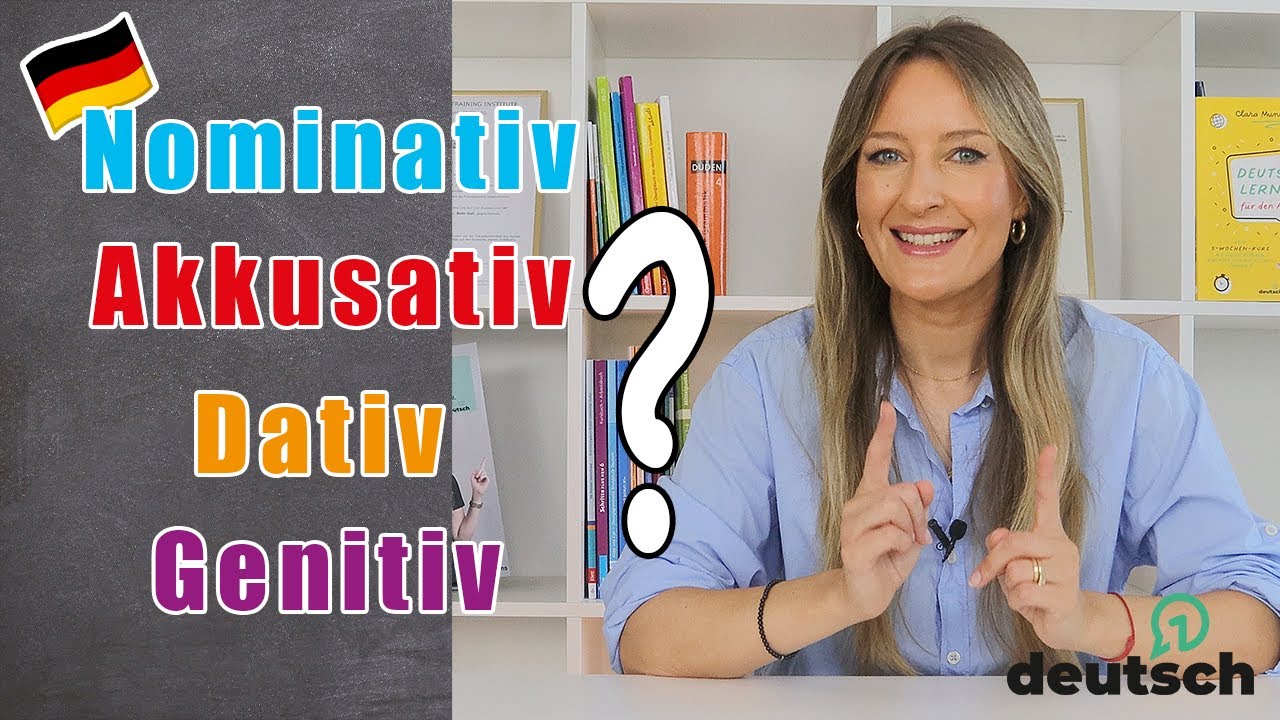
The Four Cases in German: Nominative, Accusative, Dative, and Genitive
In this article, you will learn about the four cases in German: Nominative, Accusative, Dative, and Genitive. You will find out when each case is used and how to recognize it.
-
 Pronunciation
How to Pronounce the German R
Here you will learn how to pronounce the German R. There are two types of R sounds in German that you should know.
-
 Pronunciation
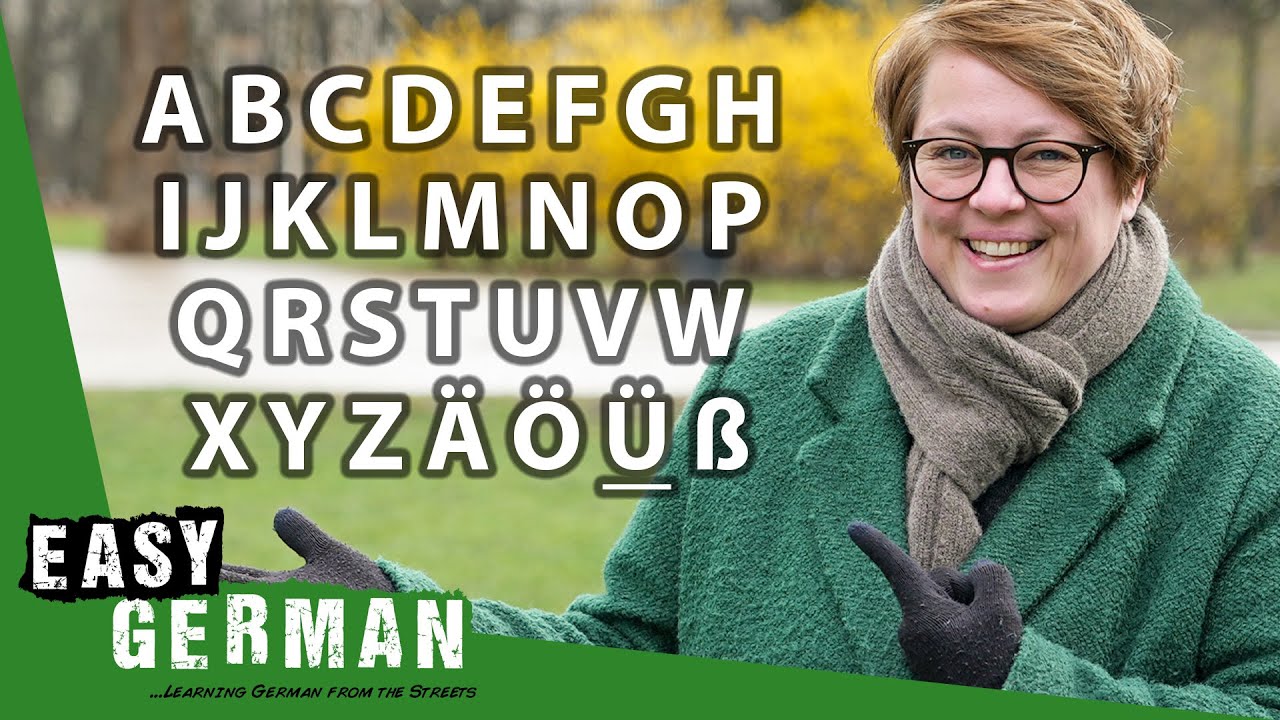
German Alphabet Pronunciation for Beginners
This article will teach you how to pronounce the letters of the German alphabet. You will learn which letters sound different and about special cases.
-
 Pronunciation
German Pronunciation: Stress and Reduction
In this article, you will learn how to place stress in German and how speaking unstressed syllables affects the rhythm and melody of the language.
-
 Pronunciation
Pronouncing CH in German
In this article, you will learn how to correctly pronounce the letter combination CH in German. There are two standard pronunciations and two exceptions you should know.
-
 Pronunciation
How to pronounce Ö and Ü in German
Here you will learn how to pronounce the German umlauts Ö and Ü correctly. We will look closely at the positions of your lips and tongue and practice with examples.
-
 How to learn it
Is German hard to learn? What learners say
Learning German is a challenge, but whether it is difficult depends on several factors. Many find the grammar hard, but there are strategies that make the learning process easier.
-
 How to learn it
Learn German: Memorize Sentences and Talk to Yourself
This article shows you how to learn German effectively by memorizing whole sentences and talking to yourself. Discover how these methods help you develop a feel for the language and speak more fluently.
-
 How to learn it
How to Start Learning German
This guide will show you where to begin learning German and how to use modern tools effectively to reach your goals.
-
 How to learn it
How to Learn German Effectively
This article shows you how to learn German with different materials and which methods are helpful for beginners and advanced learners.
-
 How to learn it
Learning German: Simple, Useful, Effective
This article shows you three important aspects to help you learn German quickly and well. You will learn how to make the learning process as good as possible.
-
 How to learn it
Learn a Language Naturally
This article explains the natural method for learning a language and offers a weekly plan to use it in your studies.
-
 How to learn it
How to Learn Any Language: A Natural Approach
This article explains why traditional language learning methods don't work well. You'll also learn how to master a new language faster using natural approaches.
-
 How to learn it
How to Learn Any Language Naturally in a Year
In this article, you will learn about the "6+6" method. This method helps you learn a foreign language through listening and practice. It avoids memorizing grammar and speaking too early.
-
 How to learn it
Plan for Learning a Language in One Year
This guide will show you how to learn a foreign language using comprehensible input, flashcards for spaced repetition, and special speaking exercises, all without memorizing grammar rules.
-
 How to learn it
How to Start Using and Learning a Foreign Language
In this article, you will learn why traditional cramming doesn't work, how to learn a language through ready-made speech, and how the active recall method helps adults quickly remember new information.
Learn a language from videos you actually want to watch
Lorevid helps you learn a language from videos and texts you choose: follow what is said sentence by sentence with a translation, keep the words you meet and practise them in quizzes.