Lorevid
How German Developed
In this article, you will learn how the German language developed over thousands of years and what important steps happened along the way.
The German language has a long history. Its roots go back to a steppe people in Southeast Europe, called Indo-Europeans or Indo-Germans. From them comes a language called Proto-Indo-European. There is no written proof of it, but researchers have reconstructed it. From this original language, over 400 languages emerged, which belong to the Indo-European language family today. Besides German, these include English, Spanish, Persian, and Hindi. An example is the Old Indian word pitar, which is very similar to the German word Vater.
The First Sound Shift and Proto-Germanic
In the first millennium BC, an important change happened in the language: the first sound shift, also called Grimm's Law. This is how Germanic languages separated from other Indo-European languages. This change can still be seen today. For example, Latin words like pat or Spanish words like padre begin with a P. In German (Vater) and English (father), there is an F instead. This shift of consonants (more precisely, of plosives, which are consonants like P, T, K) happened in all Germanic languages and marks the beginning of Proto-Germanic.
The Second Sound Shift and Old High German
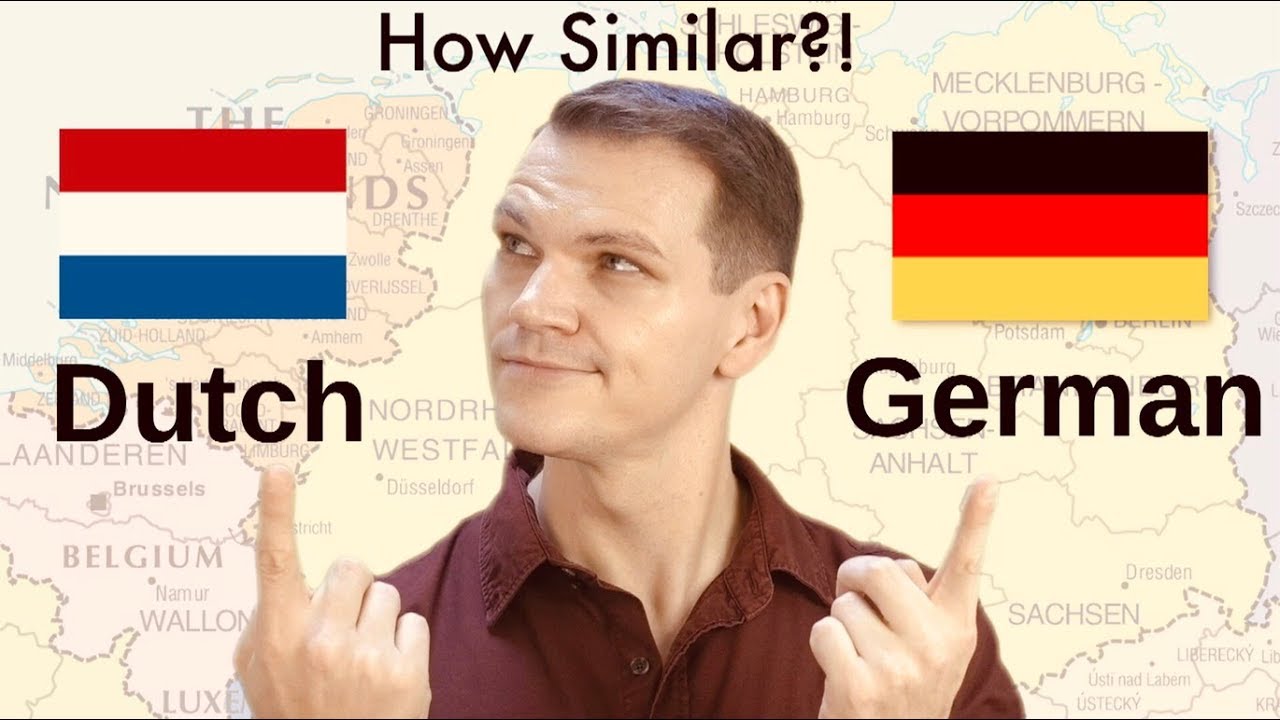
In the first millennium AD, there was another big change: the second sound shift. From West Germanic dialects, which include English and Dutch, Old High German emerged. Here too, consonants changed. However, this shift did not happen throughout all German-speaking areas. In the north of Germany, this change did not occur. You can see this at the so-called Benrath Line. South of this line, people say Apfel and machen, for example, while in the north it was called Appel and maken. In the south, people speak High German dialects (the name comes from the fact that the land is more mountainous there), and in the north, Low German dialects. For example, Bavarian is a High German dialect.
With Old High German, which emerged after the second sound shift, we can truly call our language German for the first time. So, the German language is just over a thousand years old. The first written records from our ancestors also date from this time. Before that, Latin was the most important language of education in Europe. But under Charlemagne, texts in the German vernacular first appeared. However, there were no uniform rules for writing back then. Everyone wrote as they pleased. This is one reason why the spelling and pronunciation of many words are often different today. Well-known Old High German texts are the Merseburg Charms from the 8th century or the Hildebrandslied from the 9th century. An example of Old High German is the beginning of the Lord's Prayer: Fater unsēr, thu in himilom bist, giwīhit sī namo thīn.
Middle High German
In the second millennium, Middle High German emerged. "Middle" here means that this language stage is set in the Middle Ages, meaning approximately between the years 1000 and 1400. Middle High German is known for rich literature in the vernacular. This literature was heavily influenced by courtly culture, which was oriented towards France. While mainly religious texts were written in Old High German times, nobles now also wrote about more secular topics. Many medieval manuscripts have survived, for example, the poems of Walther von der Vogelweide or the courtly novels of Hartmann von Aue. However, Middle High German was not yet a uniform language, but an umbrella term for many different Upper and Middle German dialects. These dialects could differ greatly in words and pronunciation. An example of Middle High German is an excerpt from Walther von der Vogelweide: Under der linden / an der heide / dâ unser zweier bette was / dâ mugt ir vinden / schône gebrochen bluomen unde gras.
Printing and Modern High German
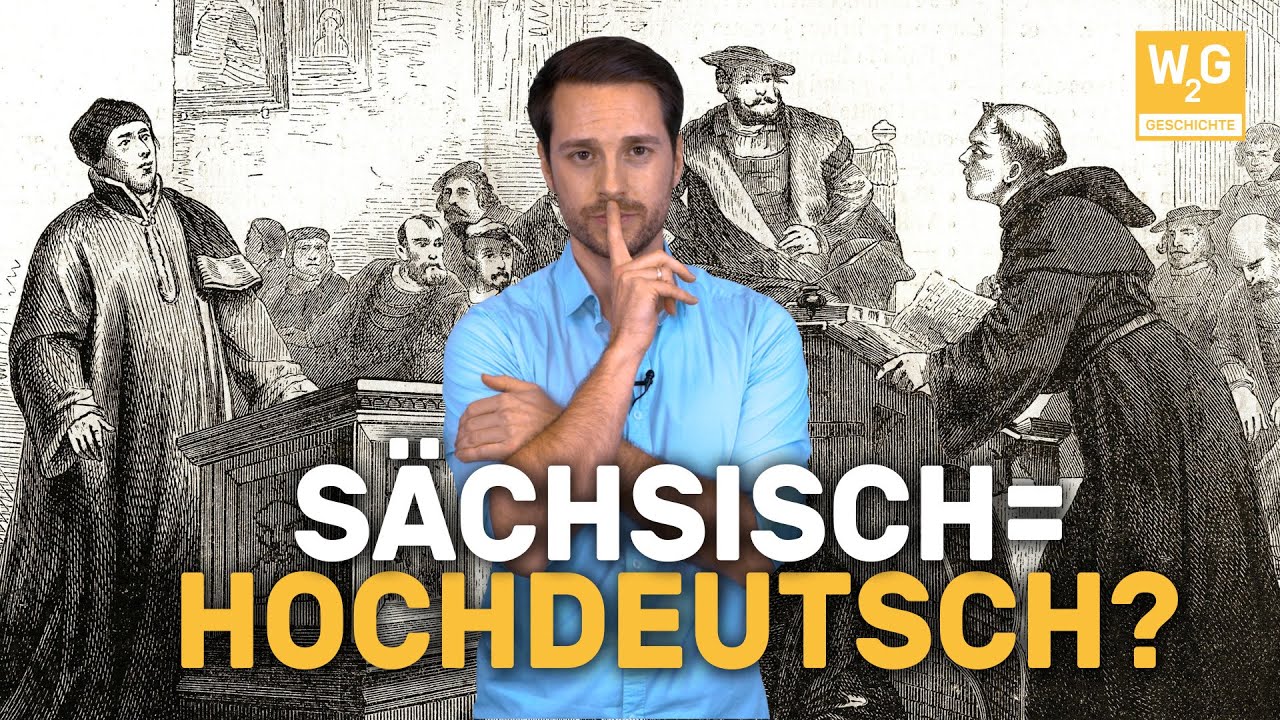
In the mid-15th century, Johannes Gutenberg invented printing with movable type. This was a revolution for literature. Texts could now be easily and often duplicated. This led to a boom in the written word, especially among the rising middle class. The reformer Martin Luther also used this invention. With his Bible translation in the mid-16th century, he laid the foundation for a uniform German language with influences from Upper, Middle, and Low German dialects. This began the development towards Modern High German, which ranges from Luther's Early Modern High German through various linguistic processes (like diphthongization, monophthongization, syllable shortening, and lengthening) to our German today.
The last 500 years of German language development have been shaped by standardization and new literary works. Think of Martin Opitz's Poetics, the works of Goethe and Schiller, or the beginnings of German studies by Jacob and Wilhelm Grimm. All these developments and people have led to the language that connects us Germans today from north to south, emerging from many dialects. When a uniform German orthography was decided upon in 1901, our language took on a calmer and more stable form after more than a thousand years. Today, we learn a common standard language in school, spoken worldwide by about 130 million people. The vocabulary of German is estimated to be half a million words, and over 70,000 books are published in German every year. But the development of language is never completely finished; it is constantly changing.
This article is based on the video
 Die spannende Geschichte der deutschen Sprache...
Der Germanistiker